The Selection
Process.
Urakoner applies a documented seven-stage methodology to every ingredient that enters a published composition. The process begins with literature assessment and ends with independent batch verification. This page documents each stage in full.
Literature Assessment
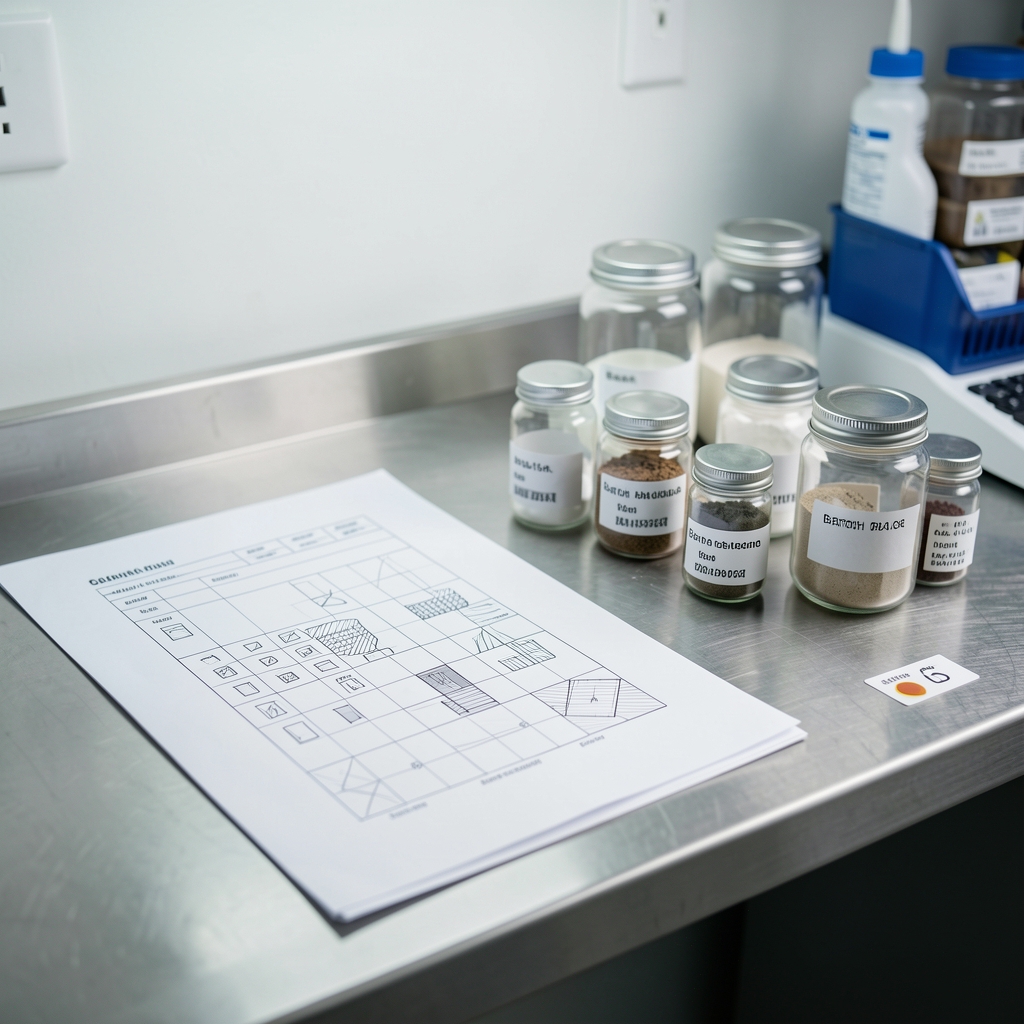
Each ingredient considered for inclusion is assessed against published nutritional research. This review covers peer-reviewed publications addressing the ingredient's role in energy metabolism, immune function, musculoskeletal support, or nutrient absorption, depending on the composition category.
The literature assessment period ranges from two to six weeks depending on the volume of relevant publications. Only ingredients with documented nutritional roles in multiple independent publications proceed to stage two.
- —Minimum three independent published nutritional studies
- —Studies published within the past ten years given priority
- —Conflict-of-interest disclosures reviewed in each study
- —Population characteristics matched to active male demographic
Supplier Identification
Suppliers are identified through a structured review of the ingredient supply landscape for Indonesia. This includes domestic Indonesian suppliers, regional Asian manufacturers, and established European extract producers depending on ingredient category.
Initial identification draws on BPOM-registered supplier directories, ingredient trade associations, and independent market surveys. A minimum of three potential suppliers is identified per ingredient before any approach is made.
- —BPOM-registered domestic Indonesian suppliers
- —Regional botanical extract producers (India, China, Malaysia)
- —European food-grade manufacturers for specific mineral forms
- —Minimum three suppliers compared per ingredient
Documentation Review
Each identified supplier is asked to provide composition documentation for the ingredient in question. This documentation review examines the certificate of analysis, standardisation specification, and chain-of-custody records from production facility to export.
Suppliers who cannot produce complete documentation within thirty days are removed from consideration at this stage. This filtering reduces the supplier pool to those who maintain active quality management systems.
- —Certificate of Analysis (CoA) per batch
- —Standardisation specification and constituent percentage
- —Heavy metal absence certification
- —Microbial contamination test results
- —Pesticide residue assessment for botanical ingredients
Comparative Evaluation
Suppliers who pass the documentation review are evaluated against each other across four dimensions: compositional accuracy (how closely the supplied product matches the stated specification), supply chain transparency, consistency of documentation across multiple batches, and regulatory standing within their country of manufacture.
The comparative evaluation produces a ranking of suitable suppliers for each ingredient. The highest-ranked supplier is approached for a sample order, which is then submitted for independent third-party analysis.
- —Compositional accuracy vs. stated specification
- —Supply chain transparency and traceability
- —Documentation consistency across multiple batches
- —Regulatory standing in country of manufacture
Independent Batch Analysis
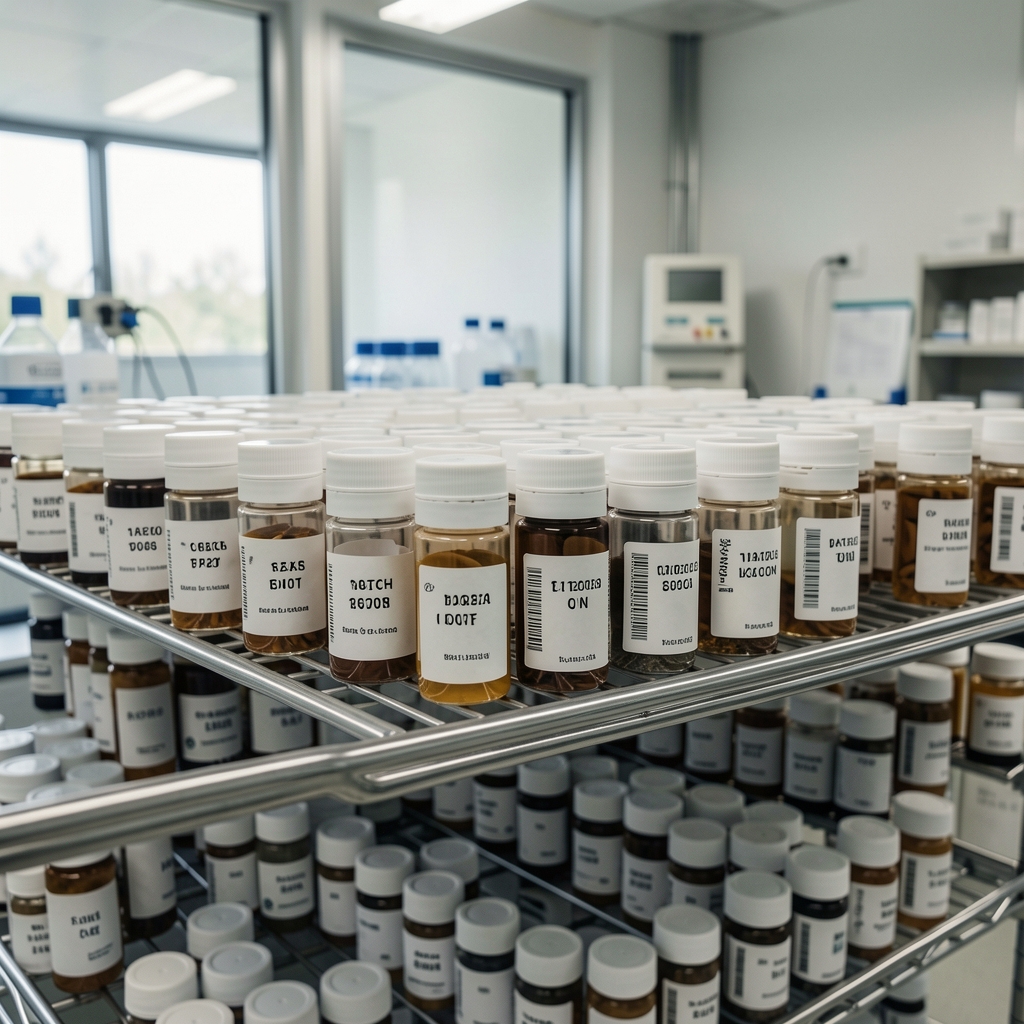
Sample orders from the highest-ranked suppliers are submitted to an independent third-party analytical laboratory. The analysis verifies the stated concentration of the primary active constituent, tests for the presence of common adulterants, and confirms the absence of restricted substances.
The independent laboratory is selected on a rotational basis from a list of accredited analytical laboratories operating within Indonesia and internationally. Urakoner maintains no ongoing commercial arrangement with any testing laboratory.
- —Active constituent concentration (HPLC method)
- —Adulterant screening (common undisclosed additions)
- —Heavy metal quantification (ICP-MS method)
- —Microbial load per gram (total aerobic count)
Composition Formulation
Ingredients that pass independent analysis are assembled into a composition draft. The formulation process determines the intake reference for each constituent based on published nutritional guidelines, the target nutritional gap being addressed, and the interaction profile between ingredients within the same composition.
The draft composition is reviewed by a qualified nutrition professional before publication. This review addresses the accuracy of intake references, the logic of the nutritional rationale, and the completeness of the disclosure regarding the basis for each ingredient's inclusion.
- —EFSA nutrient reference values (NRV)
- —BPOM Indonesia food supplement regulations
- —Published literature on active male intake contexts
- —Peer nutrition professional review of draft
Ongoing Batch Monitoring
Published compositions are subject to ongoing batch monitoring. Every third batch received from an approved supplier is submitted for spot analysis at the same independent laboratory used in stage five. This spot analysis confirms that the supplier's output remains consistent with the original approved specification.
Any deviation identified in spot analysis triggers a full re-evaluation of the supplier beginning at stage three. The composition entry is updated to reflect any changes in supplier, specification, or formulation that result from the re-evaluation.
- —Spot analysis: every third batch received
- —Annual full literature review per composition
- —Supplier regulatory standing: checked biannually
- —Composition record updated on all changes


Regulatory and Research References
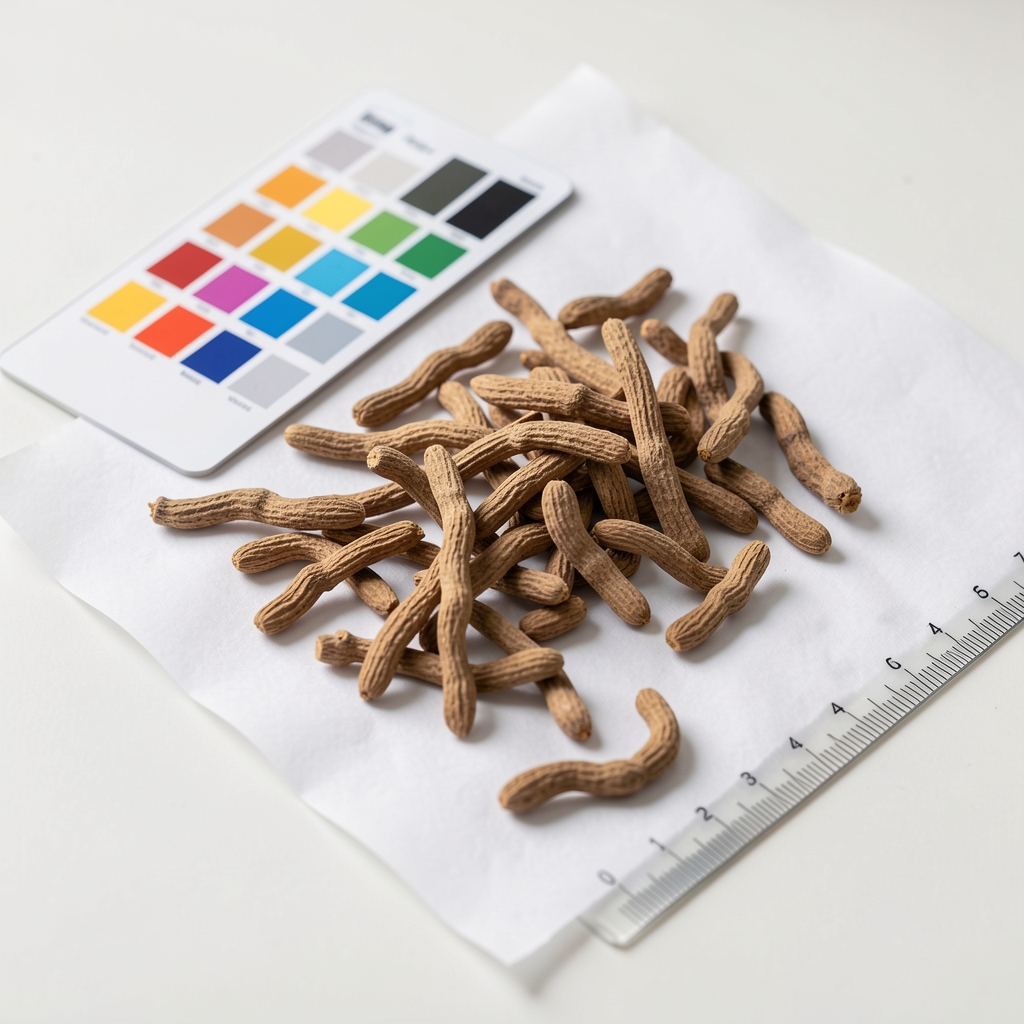
Urakoner's methodology is aligned with the nutritional supplement regulatory framework of Indonesia (BPOM Peraturan Kepala BPOM tentang Pangan Olahan) and references the European Food Safety Authority's nutrient reference value framework where Indonesian guidance is less specific.
Research references are drawn from PubMed-indexed publications. Where publications reference industry-funded research, this is noted in the composition record. The Urakoner editorial position is that industry-funded research is not automatically excluded but is evaluated against a higher threshold of methodological quality.
Urakoner is an independent wellness resource focused on everyday nutrition and active lifestyle practices for men. The content is not affiliated with any governmental or institutional body.
BPOM RI (Badan Pengawas Suplemen dan Makanan) food supplement registration and composition standards form the primary regulatory reference for all Indonesian-distributed compositions.
EFSA nutrient reference values, WHO/FAO joint expert consultations on nutrient requirements, and the Linus Pauling Institute Micronutrient Information Center provide secondary international reference points.
PubMed-indexed peer-reviewed publications constitute the primary research reference. All citations in the Urakoner composition records include DOI references for direct access.
Locally sourced ingredients where domestic supply meets Urakoner's documentation requirements. Priority is given to domestic sourcing where the composition and documentation standards are equivalent.
Botanical extracts and specific mineral forms sourced from established regional producers in India, Malaysia, and China where domestic alternatives are not available or do not meet documentation standards.
European and North American suppliers of specific vitamin forms and mineral chelates where those forms have superior published bioavailability data compared to regionally available alternatives.
URAKONER is an independent wellness resource focused on everyday nutrition and active lifestyle practices for men. The content is not affiliated with any governmental or institutional body.
Ingredient profiles in Urakoner supplements are selected based on published nutritional research and undergo independent batch verification for quality and labelling accuracy.
We recommend speaking with a qualified wellness or nutrition professional before introducing any supplement to your daily routine, particularly if you have specific dietary requirements.
Active ingredients are sourced from documented suppliers, with each batch accompanied by a certificate of composition. Sourcing prioritises suppliers whose facilities maintain food-grade processing standards.
Review the Composition Range
With the methodology established, explore the six compositions in the Urakoner daily range and the specific nutritional roles each addresses for active men.